Panel systems with a purpose
Metal Roofing in Topeka, KS
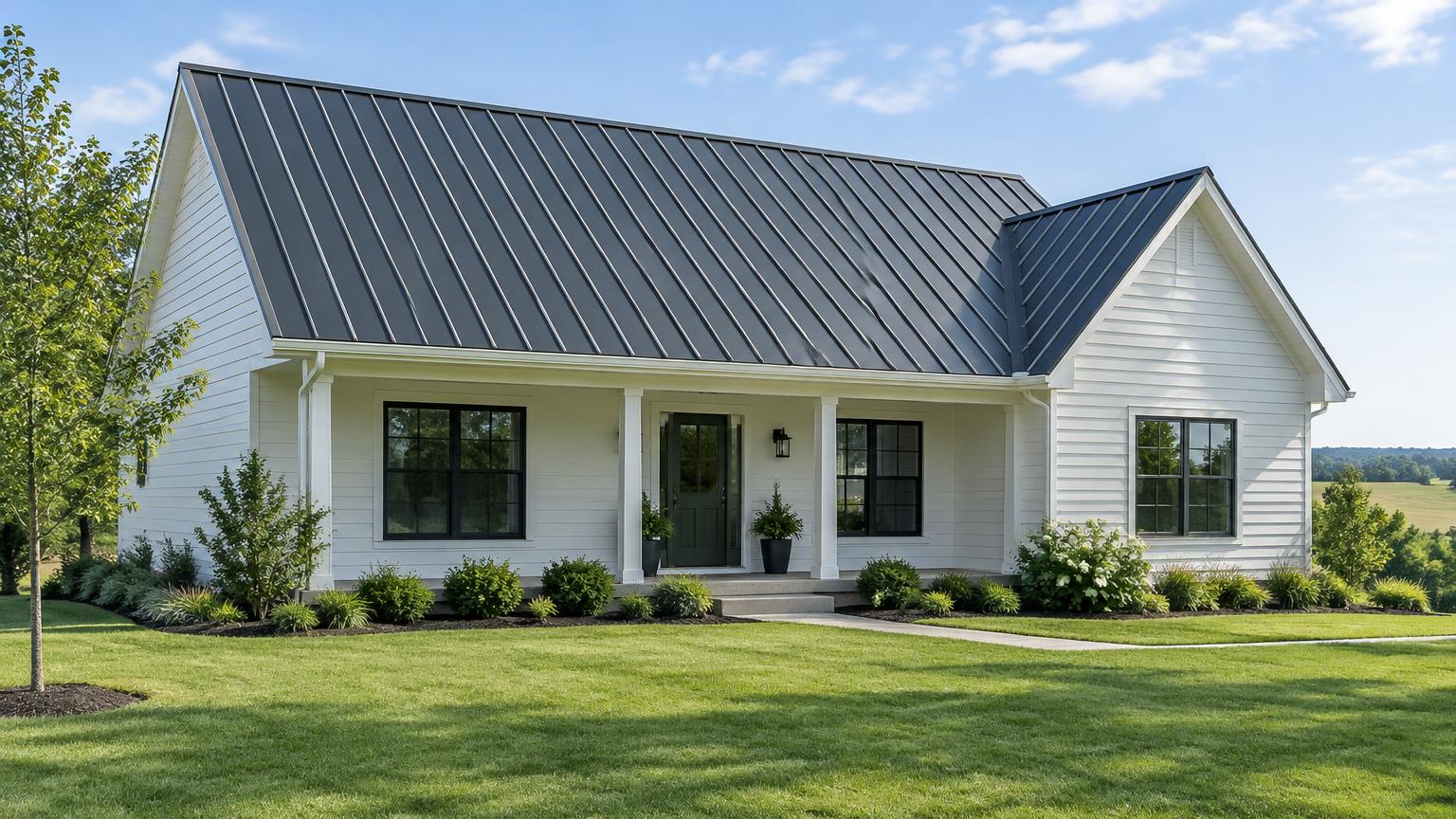
Metal roofing brings distinctive lines and several practical choices to a Topeka property. Kan Exteriors LLC helps you compare panel profiles, fastening systems and finishes with the needs of your building in mind.
Standing seam or corrugated: look beyond the profile
Standing seam roofing uses raised joints between panels, with concealed attachment in many systems. The clean vertical lines suit a range of homes, but seam design and minimum roof pitch vary by product. Clips and connections must accommodate temperature-driven movement while keeping the assembly secure; the panel shape alone does not tell you whether a system fits your roof.
Corrugated panels offer a repeating ribbed profile and commonly use exposed fasteners. That approach requires attention to screw placement, washers and future maintenance at those attachment points. During an estimate, compare the fastening method, panel thickness, substrate and flashing scope rather than treating all metal roofing as one interchangeable material.
Specialty finishes and the energy conversation
Painted coatings, textured finishes and specialty color treatments can change how the roof complements brick, siding and trim. Review actual samples and the selected finish's care requirements. A matte surface and a glossy panel may look quite different outdoors, and colors shown on a screen are not a dependable substitute for a physical sample.
Some coatings reflect more solar energy than others, potentially reducing roof-surface heat. Any effect on indoor comfort or cooling use depends on the product, insulation, ventilation and the building itself. Ask for documented solar reflectance information when comparing finishes; we do not promise a particular utility-bill reduction simply because a roof is metal.
Coordinate the roof finish with your siding materials and exterior colors.
Hail resistance is not hail immunity
Metal can offer useful impact resistance, but Kansas hail may still dent panels or damage coatings, seams and accessories. Cosmetic marks and a loss of weather protection are different concerns. The outcome depends on hail size, impact angle, panel construction and the support beneath it, not just the general material category.
If impact resistance is a priority, compare the exact product's published testing and discuss coverage questions directly with your insurer. No panel should be described as hail-proof. After severe weather, an inspection can check connections and flashings as well as the visible dents, helping distinguish appearance concerns from defects that need construction work.
For a roof affected by hail, arrange a documented storm damage assessment.
Measure, prepare and detail the installation
We assess roof geometry, existing layers and accessible decking before outlining the proposed metal assembly. Valleys, dormers and transitions can affect panel layout and waste. Removal requirements, concealed wood damage and whether the structure can support the selected system belong in the scope discussion before materials are ordered.
Installation planning includes underlayment, edge trim, wall connections and penetrations. Long panels also need safe delivery and handling space. Ask how crews will protect nearby surfaces and manage cut edges and debris, then review the completed roof details and product information at the end of the project.
Review the wider system considerations in our roof installation planning.
A local roof for temperature swings
Summer heat followed by cold winter nights makes expansion and contraction an important Kansas design consideration. Loose trim, persistent leaks at screws or rust around damaged finishes are reasons to have an existing metal roof assessed. Avoid walking on panels yourself; slippery surfaces and concentrated foot pressure can create safety and damage risks.
Our metal roofing service reaches Topeka, St. Marys, Alma, Rossville and Silver Lake. Bring your preferred profile, concerns about the current roof and any energy goals to the estimate conversation. We can explain the assembly choices so your decision accounts for maintenance and detailing as well as appearance.
Metal roof decisions, explained
- Does standing seam hide every roof fastener?
- Many standing seam systems conceal panel attachment, but trim and other details may still use exposed fasteners. Ask about the specific seam, clip and flashing design proposed for your building.
- What maintenance do corrugated panel screws need?
- Exposed screws and sealing washers should be checked for loosening, deterioration and leaks. Inspection intervals and corrective work depend on the product and its condition.
- Can a reflective metal finish lower my cooling costs?
- A reflective coating may reduce roof-surface heat, but energy use also depends on insulation, ventilation and occupancy. Compare documented product data without assuming a guaranteed dollar saving.
- Will a metal roof avoid dents in a hailstorm?
- No material is immune to every hail event. Panel thickness, support and impact severity influence damage; a product's test rating does not promise a dent-free roof.
- Are textured metal finishes available for every panel shape?
- Finish availability varies by manufacturer and profile. Confirm the actual coating, color selection and care requirements when reviewing the proposed panel system.